Why Is Trump Ending Israel Aid Now?
Trump Says U.S. Will End Annual Aid to Israel After 2026, Raising Questions About Existing Agreement
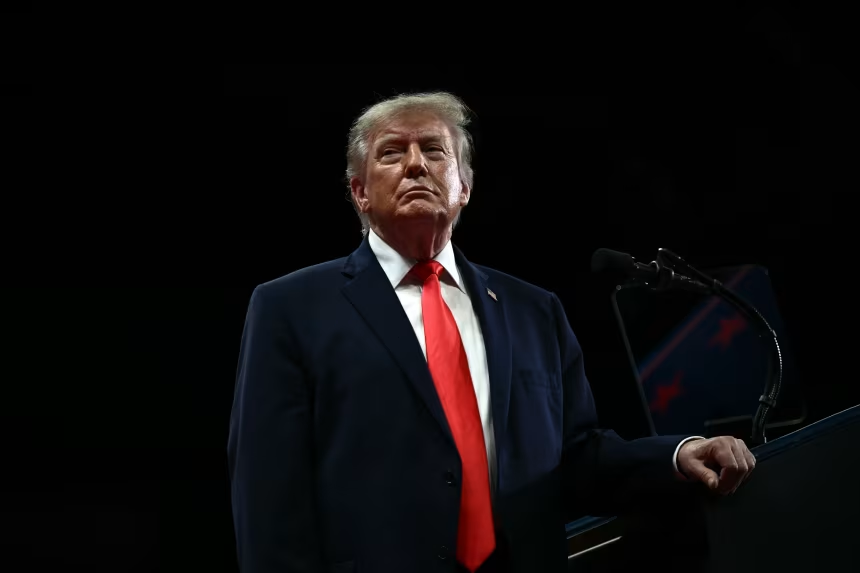
President Donald Trump says Washington will stop providing roughly $4 billion annually to Israel after 2026, even though the existing military assistance framework extends through fiscal year 2028. The announcement leaves important questions about how the funding change would be implemented.
President Donald Trump said Tuesday, November 3, that the United States would stop providing roughly $4 billion in annual assistance to Israel after the end of 2026, describing the move as part of an agreement reached with Israeli Prime Minister Benjamin Netanyahu.
Speaking during a telephone interview with Fox News, Trump said he and Netanyahu had agreed months earlier to stop the payments. He argued that Israel had become sufficiently successful economically and no longer needed the annual financial support provided by Washington.
Trump also made clear that the United States would remain willing to help Israel if necessary. He described the country as an important American ally and indicated that the broader security relationship would continue even if the annual financial assistance ended.
The announcement drew attention because the existing U.S.-Israel military assistance agreement runs beyond Trump's proposed deadline. It was not immediately clear which specific funding programs the president intended to end or how the administration would handle commitments extending through fiscal year 2028.
The Existing Agreement Runs Through 2028
The United States and Israel signed a 10-year memorandum of understanding in September 2016, during President Barack Obama's administration. The agreement established a military assistance framework covering fiscal years 2019 through 2028, with a total planned value of $38 billion.
Under that arrangement, Washington committed to providing $3.3 billion annually in Foreign Military Financing, along with another $500 million each year for cooperative missile-defense programs. Combined, those commitments amount to $3.8 billion per year.
The memorandum was designed to provide a predictable framework for long-term military cooperation. It supports Israel's ability to acquire American defense systems and allows both governments to plan military assistance over multiple years.
However, the agreement does not automatically appropriate the full amount of funding. Congress retains authority over federal spending, and annual appropriations are required to provide the money. That distinction matters because changing an existing assistance arrangement may involve decisions by both the executive branch and Congress.
Why the New Deadline Is Significant
The central issue is the difference between the two timelines. The existing memorandum covers assistance through fiscal year 2028, while Trump says Washington will stop the annual payments after calendar year 2026. If implemented as described, the change would come substantially earlier than the end of the current framework.
Netanyahu has previously discussed reducing Israel's reliance on American military assistance. His publicly described approach involved gradually phasing out financial support over approximately a decade while maintaining a strong defense partnership with the United States.
Trump's announcement suggests a much faster transition. However, a presidential statement about an agreement does not by itself establish that the entire funding arrangement has already been terminated. Additional details would be needed to determine how the government intends to carry out the proposed cutoff.
The administration would also need to clarify whether the planned change covers all the categories of assistance included in the memorandum or only particular financial programs. Those details could determine the practical impact of the announcement.
Israel Could Continue Buying American Weapons
Trump's remarks did not indicate that the United States intends to end its military relationship with Israel. Instead, he described a shift away from annual assistance while preserving the ability of Israel to purchase American defense equipment.
That distinction is important. Financial assistance allows Israel to acquire military equipment using funds provided by the United States. Direct purchases, by contrast, would require Israel to finance its own acquisitions, even when those purchases involve American manufacturers and defense systems.
Such a transition could change how Israel plans its defense spending and how the two governments structure future military cooperation. But the scale of those changes would depend on the precise policies adopted, not simply on Trump's initial announcement.
Trump also said the United States could still help Israel if assistance became necessary. That leaves open the possibility of continued cooperation or additional support under circumstances not yet specified by the administration.
The Political Debate Over U.S. Aid
Trump also connected the issue to political debate inside the United States. He argued that American financial assistance to Israel had become a subject used by Democratic politicians to criticize Republicans, particularly as the country approached the November 2026 congressional midterm elections.
The debate over U.S. support for Israel has intensified since the Gaza war began in October 2023. Critics have questioned the scale and conditions of American military assistance, while supporters have emphasized Israel's security needs and the strategic relationship between the two countries.
The issue has also created disagreements within both major American political parties. Some lawmakers favor maintaining substantial assistance, while others have called for conditions, restrictions or a reassessment of the overall relationship.
Trump's announcement places the future of annual aid directly within that debate. It also creates a separate policy question about whether ending financial assistance would alter the broader defense partnership or primarily change the way Israel pays for American weapons.
What Happens Next?
Several questions remain unanswered following Trump's November 3 announcement. The most immediate concerns the scope of the proposed cutoff and how it would interact with the existing memorandum of understanding.
The White House has not publicly detailed the full implementation process, including how funding envisioned for the remaining years of the agreement would be handled. There was also no immediate public confirmation from Netanyahu's office of the specific terms described by Trump.
Congress could become an important part of the process because federal appropriations remain under legislative control. Any changes to future funding would need to be considered in light of existing legal requirements and the relevant budget decisions.
For Israel, the central question is how quickly the country would be expected to assume the financial burden previously covered by U.S. assistance. For Washington, the issue is how to carry out the president's stated policy while maintaining the defense relationship Trump says he wants to preserve.
As of November 3, 2026, the reported development is Trump's public statement that annual U.S. assistance to Israel will stop after the end of the year. Whether that deadline is fully implemented, and how it affects the remaining commitments through fiscal year 2028, depends on decisions and details that have not yet been publicly resolved.
Comments (0)
Loading comments...
May You Like
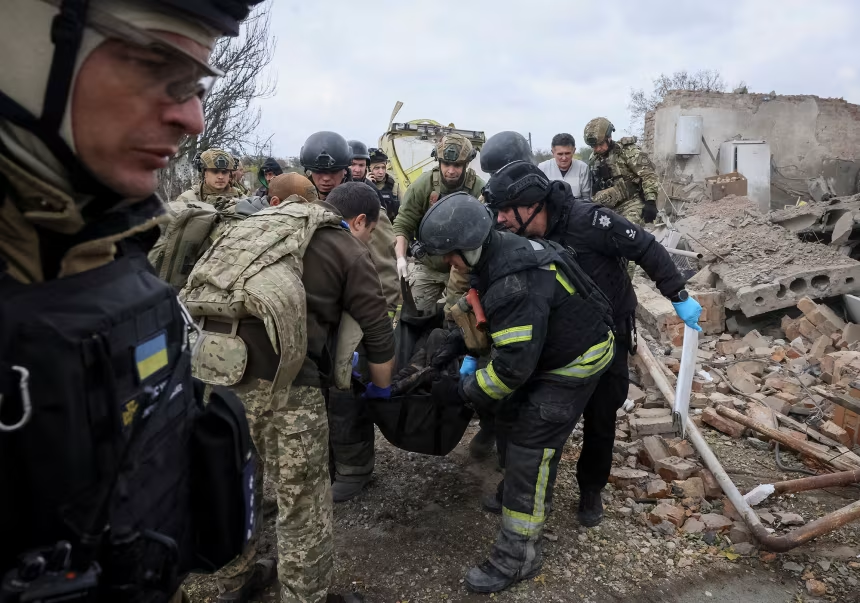
Dozens Killed in Russian Strike on Aid Center

4 DEAD IN DALLAS, ALL WITNESSES IN DISNEY–UNIVERSAL CHILD SEX OFFENDER SWEEP CASE!

ALL 19 DALLAS HALLOWEEN SHOOTING VICTIMS SHARE ONE DARK SECRET!