
HALEY STEVENS’ ANDERSON COOPER INTERVIEW DERAILS
HALEY STEVENS’ ANDERSON COOPER INTERVIEW DERAILS
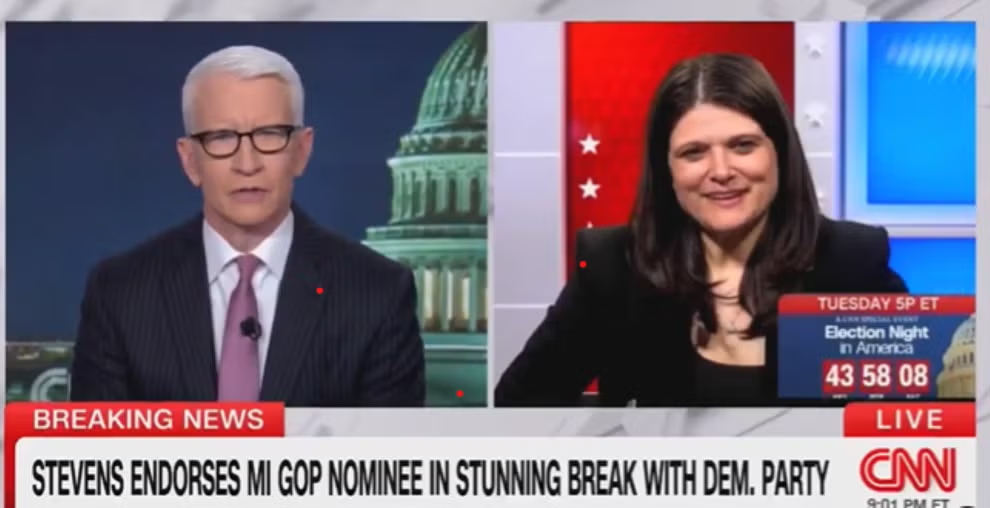
 DETROIT — November 3, 2026 — Democratic Rep. Haley Stevens entered Election Day defending her endorsement of Republican Senate candidate Mike Rogers after a tense CNN interview exposed unanswered questions about her reversal. Her decision, announced Sunday, fractured party unity in a Michigan race that could help determine control of the Senate.
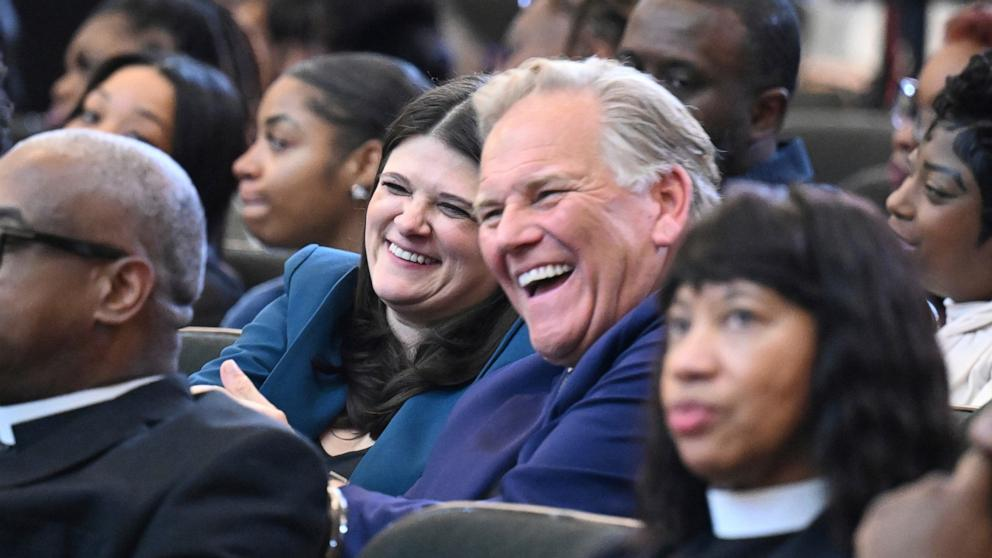
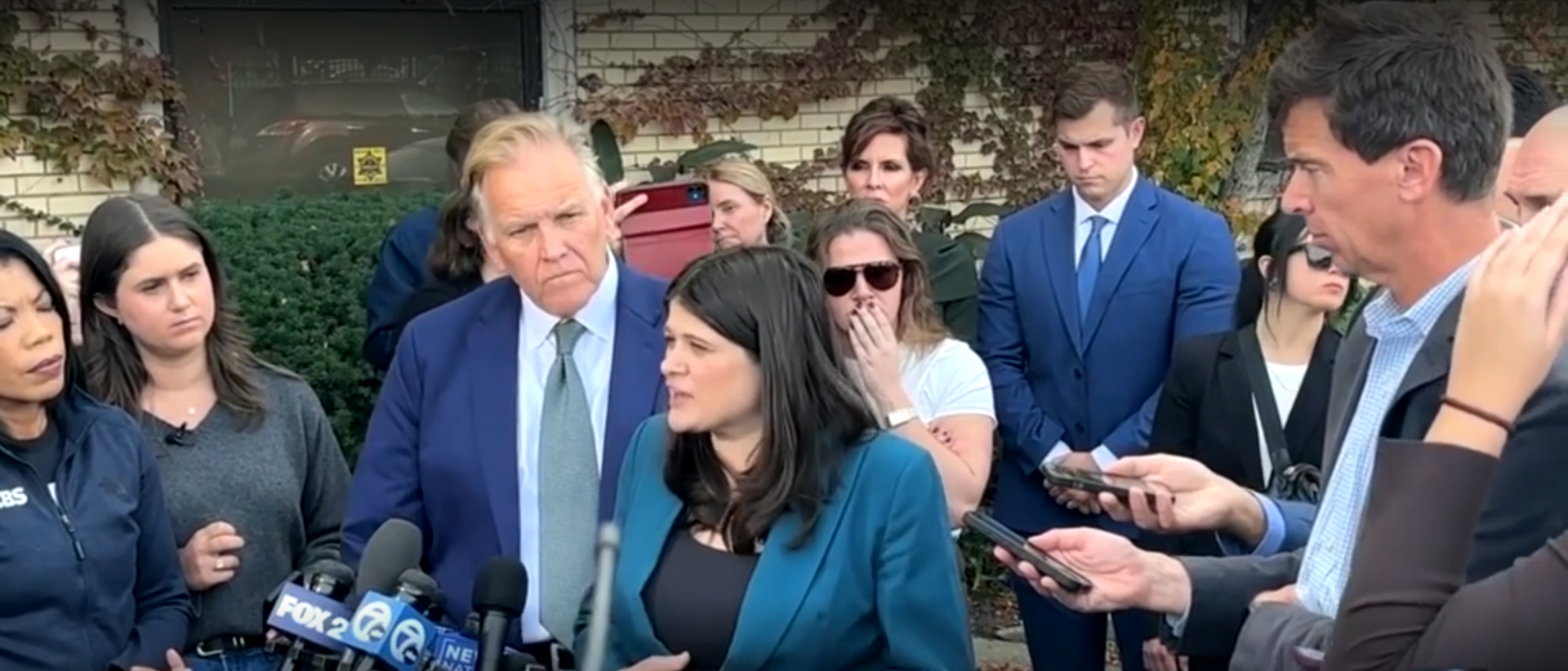
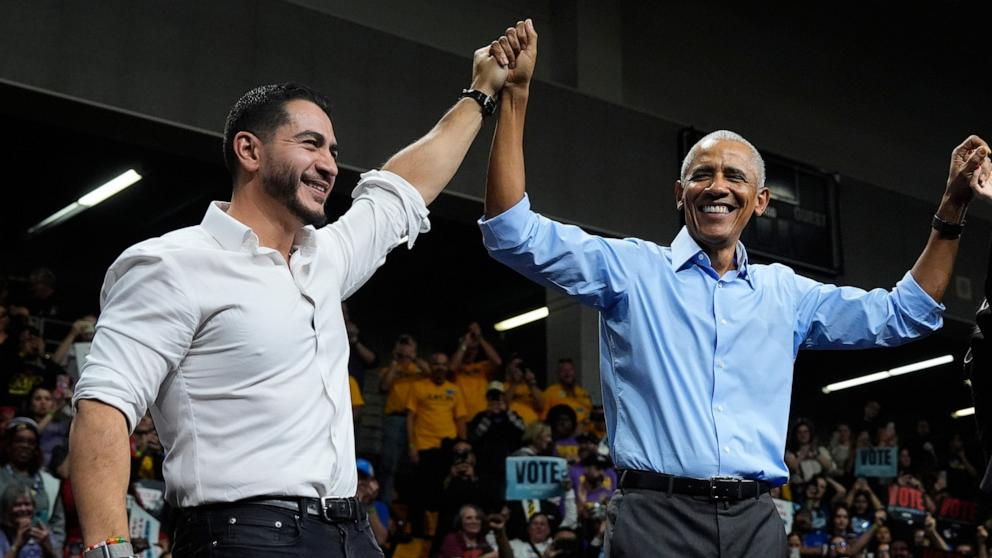
Stevens endorsed Rogers after attending a Detroit church service with him, withdrawing support from Democratic nominee Abdul El-Sayed. The announcement followed assurances to fellow Democrats that she would remain behind the candidate who defeated her in August’s primary.
During the roughly 15-minute interview, Anderson Cooper repeatedly asked what had changed between Stevens’s conversation with Rep. Debbie Dingell on Saturday night and her endorsement the next morning.
Stevens described the decision as “a weight off my shoulders” and criticized El-Sayed’s conduct. Cooper returned to the timing, noting that her concerns about the Democratic nominee predated the weekend.
He also confronted her with an August statement criticizing Rogers as a reliable supporter of President Donald Trump’s agenda.
Stevens questioned whether her conversation with Dingell had occurred precisely at midnight. She did not provide a clear account of a new development that prompted the switch, according to TheWrap’s coverage.
Dingell appeared on CNN immediately afterward and reaffirmed that Stevens had told her she would not endorse Rogers.
She said those assurances had been given repeatedly. Dingell described watching the interview as painful and said she had been concerned about Stevens during the preceding week.
The endorsement also surprised people working with the congresswoman. CNN reported that staff members learned of her decision through social media and that resignations followed.
What had been intended as a final effort to demonstrate Democratic unity instead became a public dispute over loyalty, judgment and the consequences of backing the opposing party’s nominee.
Stevens and El-Sayed had publicly disagreed over Israel and Gaza, including an advertisement from an outside group that Stevens considered antisemitic.
ABC News reported that Stevens had asked El-Sayed to disavow the advertisement. Her fiancé, Jason Turkish, had separately announced his support for Rogers.
Stevens also criticized El-Sayed’s association with political streamer Hasan Piker and said she had been excluded from the Democratic nominee’s campaign.
In announcing her decision, she portrayed her support for Rogers as a matter of putting country first. She maintained that most of her other votes would go to Democrats.
Rogers said he had not expected the endorsement. El-Sayed responded by emphasizing Michigan residents’ concerns about government and policy rather than his former opponent’s decision.
The decision drew criticism from Democratic leaders, including figures who had previously disagreed with El-Sayed.
Senate Democratic leader Chuck Schumer condemned the endorsement, while former House Speaker Nancy Pelosi publicly reinforced her support for the Democratic nominee. CNN reported that the break was helping unite party leaders around the importance of the race.
The immediate campaign cost was a change in attention. Instead of spending the final stretch exclusively promoting their closing arguments, candidates and party officials were answering questions about Stevens.
Michigan voters now decide the contest. The results, turnout patterns and subsequent analysis will offer a clearer picture of whether the endorsement moved support or chiefly produced a final burst of political controversy.
Comments (0)
Loading comments...
May You Like

IRANIAN PILOT VANISHES AFTER 9 AMERICANS ARE KILLED ON FLORIDA JET NEAR MAR-A-LAGO, PALM BEACH!
718 ARRESTS IN DISNEY WORLD—UNIVERSAL STUDIO CHILD SEX OFFENDER SWEEP—36 GOP NAMES, THEN A HIDDEN 37TH!
UNDERCOVER DRUG RAID SPARKS HALLOWEEN CHAOS IN DALLAS—19 SHOTS IN 3 GUNFIGHTS!




Popular Posts
Why Is Trump Ending Israel Aid Now?
Nov 3, 2026