Deadly Black Sea Attacks Threaten Global Food Supplies
Russian Drone Attacks Make the Black Sea One of the World's Deadliest Shipping Routes
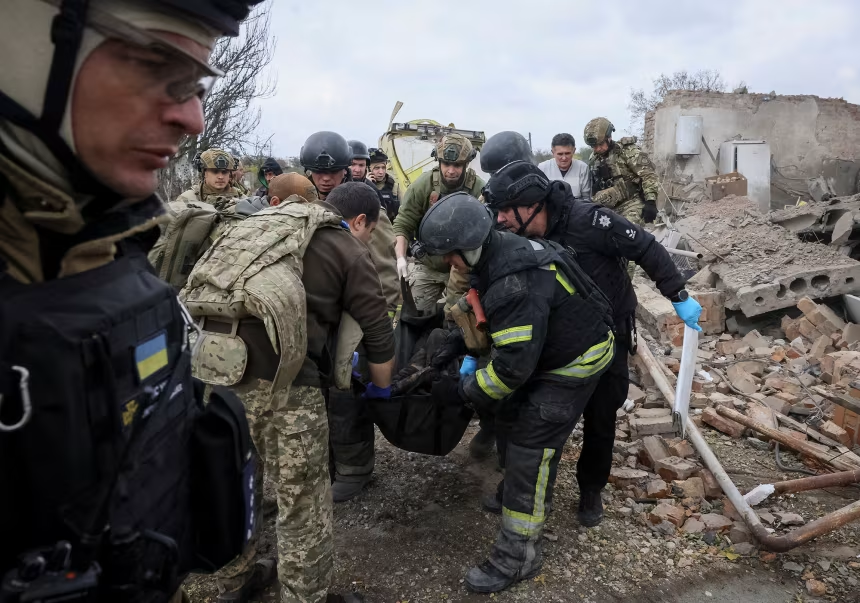
At least 30 sailors have been killed or reported missing in a recent surge of attacks on commercial vessels. The violence is spreading toward NATO waters, disrupting Ukrainian grain exports and forcing European governments to strengthen maritime defenses.
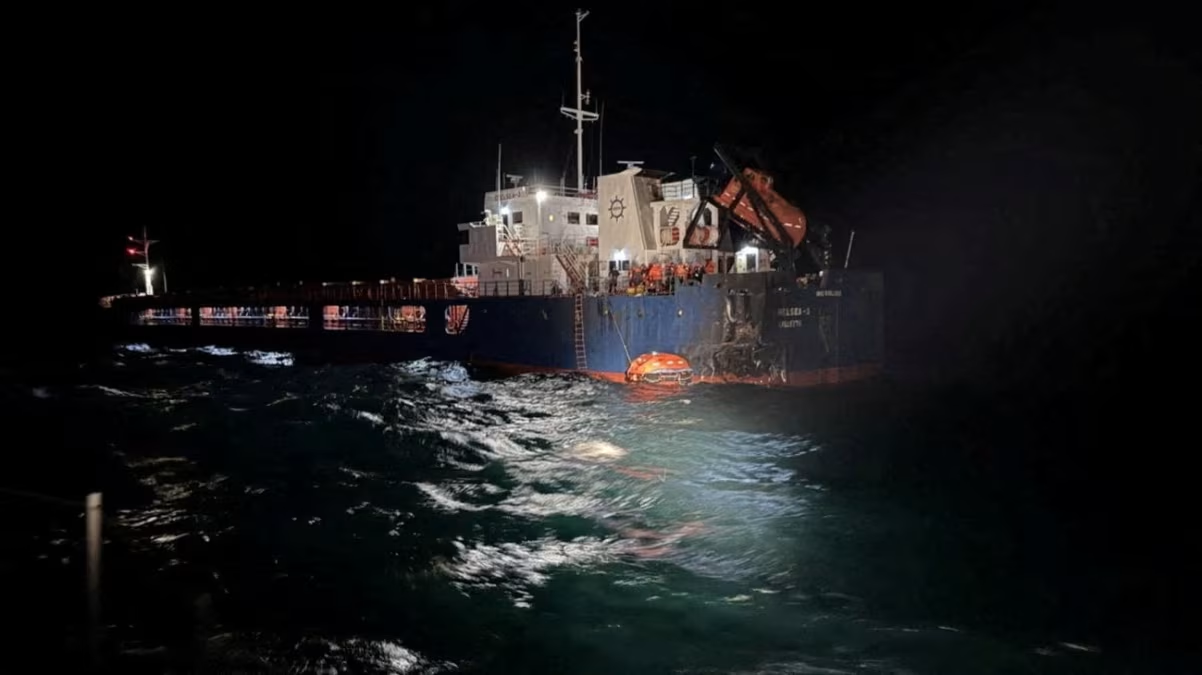
Russian drone attacks have reportedly struck at least a dozen merchant ships in the Black Sea in recent weeks, leaving at least 30 sailors dead or missing and pushing maritime security threats closer to NATO territory.
The attacks have affected vessels traveling near Romania and Bulgaria, both members of the Western military alliance. Some ships have reportedly been struck inside their territorial waters or exclusive economic zones, according to maritime security assessments and regional reports.
The growing danger has made the Black Sea one of the world's most hazardous routes for commercial shipping. Reports of repeated drone attacks, damaged vessels and casualties among civilian crews illustrate how the maritime dimension of the Russia-Ukraine war continues to threaten international trade.
Deadly Attacks Spread Toward NATO Waters
The latest reported escalation began in early October, when the Turkish-owned cargo vessel Alfa Watan was attacked while traveling from Egypt toward Romania's Sulina port.
The ship was reportedly struck by aerial and maritime drones. Ten crew members, including nine Syrians and one Egyptian, were reported killed, and the vessel sank.
Six days later, another merchant ship, the HS Dignity, was reportedly attacked off Bulgaria's coast, leaving 11 sailors dead.
Accounts from seafarers described crew members struggling to escape as rough seas and cold water complicated their attempts to survive.
On October 15, attacks reportedly struck additional merchant vessels near Romania. Two chemical tankers, Wine Trader and Yara J, caught fire near the Sulina Canal, an important connection between the Danube River and the Black Sea.
Romanian officials reportedly recorded eight deaths in attacks involving four merchant ships that day. Maritime intelligence specialists assessed that vessels connected to Ukrainian trade were being targeted.
The threat continued into late October when three maritime drones reportedly struck the Liberian-flagged container ship Contship Jet off Bulgaria's coast.
Its crew was evacuated and rescued, but the incident demonstrated how far the danger had spread from Ukraine's ports.
These reported incidents illustrate a serious change in the security environment. Commercial shipping risks are no longer confined to the immediate approaches to Ukrainian ports. Vessels operating near neighboring countries may also face threats from unmanned weapons.
Why Commercial Shipping Is Being Targeted
Ukraine depends heavily on the Black Sea to export agricultural products, including wheat, corn and sunflower oil.
Russian attacks on Ukrainian port infrastructure have already restricted maritime operations, particularly around Odesa. Ukraine has attempted to shift some exports toward smaller ports along the Danube River, but the recent reported attacks suggest that vessels using those routes also face serious risks.
Maritime security firm Ambrey reportedly assessed in October that Russian forces were highly likely responsible for a series of attacks on ships connected to Ukrainian grain exports near Romania and Bulgaria.
The company warned that vessels operating in waters near those countries should no longer automatically be considered safe.
Moscow has not acknowledged responsibility for every reported attack. In some cases, Russia's Defense Ministry claimed that targeted vessels were transporting military or dual-use cargo intended for Ukrainian forces.
Those claims do not establish that all the affected ships were legitimate military targets. The available accounts also do not independently verify responsibility for every individual strike.
Ukraine, meanwhile, has conducted its own attacks against vessels and infrastructure associated with Russian trade. Both sides have increasingly used drones to challenge each other's maritime operations.
Unmanned aircraft and maritime drones have changed the nature of warfare in the Black Sea. Compared with traditional warships and aircraft, these systems can be deployed in ways that complicate detection, interception and the protection of civilian traffic.
For merchant ships, the consequences are substantial. Their crews generally lack the military defenses needed to counter coordinated drone attacks, leaving them dependent on maritime security warnings, naval protection and emergency rescue capabilities.
NATO Faces a Growing Security Challenge
The movement of reported drone attacks toward Romania and Bulgaria has complicated the security situation for NATO.
Romania has reportedly increased aerial patrols along its Black Sea coastline, including the deployment of F-16 fighter jets. Romanian aircraft were also reported to have intercepted and destroyed Russian drones over national territorial waters in late October.
Bulgaria has reportedly requested additional NATO assistance, including combat aircraft and counter-drone systems.
NATO Secretary General Mark Rutte has emphasized the alliance's defensive posture along its eastern flank.
Nevertheless, officials and maritime analysts remain concerned about the possibility of further attacks near allied territory.
The distinction between territorial waters and exclusive economic zones is important. An attack inside a country's exclusive economic zone does not automatically constitute an attack on its sovereign territory, even though it may present serious security risks.
European governments must therefore consider how to protect commercial navigation without allowing incidents at sea to trigger a wider military confrontation.
NATO's challenge is not simply to detect incoming drones. The alliance must also coordinate surveillance, identify potential threats, protect civilian vessels and determine how to respond when military activity approaches member states' maritime boundaries.
An attack involving a commercial ship near a NATO country does not automatically mean that the alliance will enter the conflict. Any collective response would depend on the circumstances, the location and decisions made by member governments.
Global Food Supplies Face Additional Pressure
The disruption has consequences far beyond the battlefield.
Ukraine is a major supplier of agricultural products to international markets. Its Black Sea ports handle much of the country's grain exports, making uninterrupted shipping essential for farmers, transport companies and food importers.
Government figures cited in the November 2 reporting showed that Ukraine exported approximately 1.09 million tons of wheat in September, compared with 2.05 million tons during the same month a year earlier.
The decline reflects the severe pressure on the country's export infrastructure, although changes in agricultural production, demand and logistics can also influence monthly shipments.
Shipping companies are confronting increased insurance costs as the risks of drone strikes, mines and other maritime threats grow.
Some shipowners continue operating in the region despite the dangers. Seafarers may accept these assignments because of financial necessity or additional compensation, even when the risks are substantial.
Higher transportation and insurance costs could eventually affect international food prices, particularly in countries heavily dependent on imported grain. However, the precise effect on consumers will depend on future shipping conditions, supply levels and global commodity markets.
The disruption can also affect Ukrainian farmers directly. When agricultural products cannot reach overseas buyers efficiently, producers face additional storage and transportation costs.
For import-dependent countries, the concern is not limited to whether grain remains available. Delays, uncertainty and higher shipping expenses can make food supplies more expensive and less predictable.
The result is a maritime security problem with potential economic consequences extending well beyond Eastern Europe.
What Happens Next
The immediate challenge is protecting civilian crews while maintaining access to major Black Sea trade routes.
Romania, Bulgaria and Turkey have been discussing stronger maritime coordination, improved intelligence sharing and expanded defenses against unmanned aircraft and maritime drones.
NATO has also been increasing surveillance and defensive capabilities around its eastern members.
Yet the recent reported attacks demonstrate the difficulty of protecting merchant vessels across such a large maritime region.
For Ukraine, the danger threatens its ability to move agricultural exports. For neighboring NATO members, it raises concerns about attacks spreading into waters they are responsible for monitoring and protecting.
For commercial sailors, the threat is immediate and personal: voyages that once involved ordinary shipping risks now carry the possibility of drone attacks, sinking vessels and dangerous rescue operations.
Several important questions remain unresolved, including whether the attacks will continue, whether maritime defenses can reduce casualties and whether shipping companies will maintain regular services through the region.
Responsibility for individual incidents also remains important. Independent investigations and reliable damage assessments are necessary to distinguish verified attacks from competing military claims.
For now, commercial shipping in the Black Sea faces a combination of military threats, economic uncertainty and growing pressure on regional security arrangements.
The central challenge is whether stronger regional defenses and diplomatic efforts can reduce the danger before more civilian vessels and crews are lost.
Comments (0)
Loading comments...
May You Like
IRANIAN PILOT VANISHES AFTER 9 AMERICANS ARE KILLED ON FLORIDA JET NEAR MAR-A-LAGO, PALM BEACH!

DALLAS HALLOWEEN HORROR—3 SHOOTINGS, 19 VICTIMS, SUSPECTS JUST 16!

Who Controls the Senate at 50-50?









Popular Posts

Why Is Trump Ending Israel Aid Now?
Nov 3, 2026