
Congress Could Change Hands After Election Day
America Votes on Control of Congress as Trump's Final Two Years Approach
Voters are deciding whether Republicans will retain control of the House and Senate or face a divided government during the remainder of President Donald Trump's term.

A Congressional Election With National Consequences
Americans headed to the polls on November 3, 2026, in a midterm election that could change control of Congress and determine the political balance in Washington during the final two years of President Donald Trump's second term.
All 435 seats in the House of Representatives and 35 Senate seats are on the ballot. Republicans entered Election Day controlling both chambers, but their narrow majority in the House makes the outcome especially consequential.
The election will determine which party sets the legislative agenda, leads congressional committees, and exercises oversight of the executive branch.
Why the Results Matter for Trump
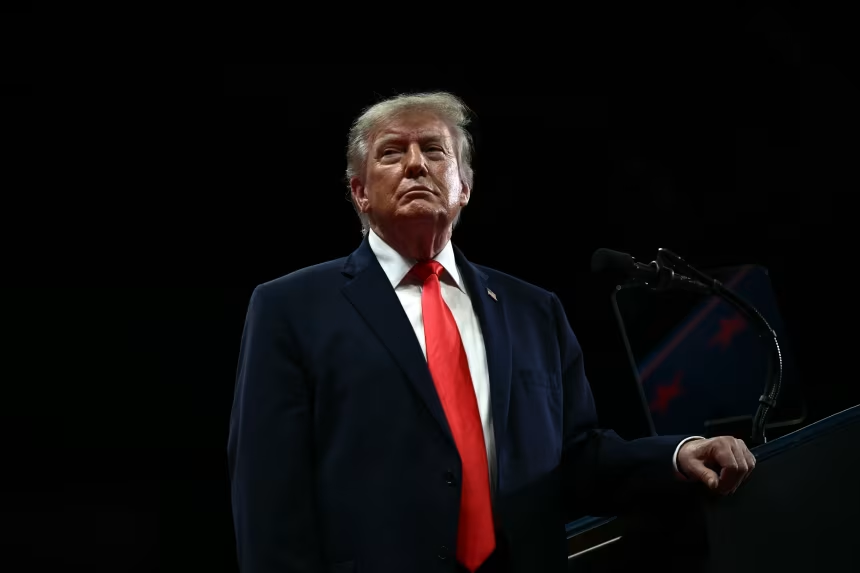
Although Trump's name is not on the ballot, the outcome could significantly influence his ability to advance his administration's priorities.
If Republicans retain control of both chambers, the White House would continue working with congressional majorities from the president's own party. That could make it easier to pursue legislation on taxation, federal spending, immigration, and other policy priorities, although party control alone does not guarantee that bills will pass.
If Democrats win control of the House, they could lead committees, expand investigations into the administration, and block legislation that lacks bipartisan support.
Control of the Senate carries additional importance because senators vote on presidential nominations, including federal judges and senior administration officials.
A shift in either chamber could force the White House to negotiate more extensively with opposition lawmakers.
The Races That Could Decide Congress
The battle for congressional control may ultimately come down to a relatively small number of competitive races.
Democrats entered Election Day needing a net gain of three House seats to secure a majority. In the Senate, they faced a steeper challenge, requiring a net gain of four seats to take control.
Pennsylvania is among the states attracting close attention in the House contest, particularly districts where relatively narrow margins could determine which party wins.
Senate races in states including Michigan, Maine, North Carolina, Alaska, Iowa, and Texas are also part of the national picture.
Not every competitive race will necessarily decide the final balance. But when the majority is narrow, individual results can become important as votes are counted across different time zones.
The central question is not simply how many seats each party wins, but where those gains and losses occur.
Economic Concerns and Voter Turnout
Economic issues have been a prominent part of the campaign, particularly the cost of living and the financial pressures facing American households.
A Reuters/Ipsos survey completed shortly before Election Day found that 78% of respondents considered the cost of living either very important or a top priority in deciding their vote.
Immigration, government spending, health care, and the direction of federal policy have also featured in the political debate.
Meanwhile, early voting has already accounted for a substantial number of ballots. More than 57 million Americans had voted ahead of Election Day, according to data cited by CBS News from the University of Florida Election Lab.
That figure reflects the scale of participation before November 3, but it does not establish which party will win. Ballots cast early still need to be counted under the election procedures of each state.
What Happens After Polls Close?
As polling locations close across the country, attention will turn to the closest House and Senate contests.
Some races may produce clear outcomes on election night. Others could take longer because of mail ballots, close margins, or state-specific counting procedures.
Control of Congress will be determined by the final allocation of seats, not by the national popular vote alone.
A Republican majority in both chambers would preserve the party's congressional control heading into the next legislative session. A Democratic majority in either chamber would introduce a different balance of power between Congress and the White House.
Regardless of which party gains control, the newly elected lawmakers will face decisions involving government funding, legislation, and oversight during the remainder of Trump's term.
The results will also determine which congressional leaders and committees hold the authority to advance, delay, or investigate major federal initiatives.
For voters, the election is about representation in Congress. For Washington, it will determine how political power is divided through the final two years of the current presidential administration.
Comments (0)
Loading comments...
May You Like
Why Is Trump Ending Israel Aid Now?

WHITE MAN GOES BALLISTIC ON BLACK FAMILY DURING HALLOWEEN - "YOU F**KING THIEVES!"

9 AMERICANS MURDERED ABOARD FLORIDA JET NEAR MAR-A-LAGO, PALM BEACH!—IRANIAN PILOT VANISHES!







Popular Posts
Why Is Trump Ending Israel Aid Now?
Nov 3, 2026